











Explore deeper insights and discover what sets us apart.
Dive into our story, products, and vision for
the future. Get ready to know more!
Products
View More
The Importance of Chain Link Fence Rail End Caps When it comes to fencing solutions, chain link fences have long been favored for their durability, cost-effectiveness, and versatility. These fences are commonly used in a variety of applications, from securing residential properties to enclosing commercial facilities and athletic fields. An essential yet often overlooked component of chain link fen
The Charm of Inexpensive Shepherd Hooks In the vast world of gardening and outdoor decor, shepherd hooks have carved out a special niche. These elegant, curvy poles not only serve a functional purpose but also add an aesthetic appeal to gardens, yards, and outdoor spaces. For gardening enthusiasts and outdoor lovers alike, inexpensive shepherd hooks provide an affordable option to enhance their su
Metal poles embedded in the ground find versatile applications across numerous domains, from construction and landscaping to entertainment and agriculture. Understanding their usage, benefits, and installation nuances is critical for anyone looking to optimize their application in any field. In the construction domain, metal poles are indispensable. These poles, often galvanized steel, ensure dura
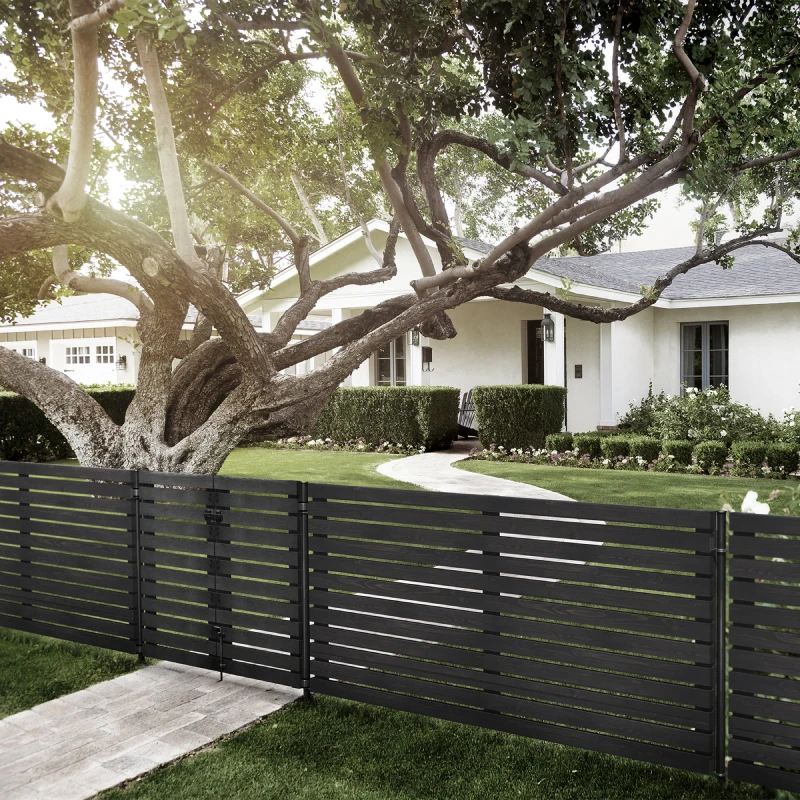
4 ft vinyl privacy fence panels .
Stainless Steel Welded Wire Panels A Versatile Solution for Various Applications Stainless steel welded wire panels have become increasingly popular in numerous industries due to their durability, versatility, and aesthetic appeal. These panels are composed of high-quality stainless steel wires that are welded together in a grid pattern, creating a robust structure that can withstand various envir
Understanding 10% Gauge Welded Wire Mesh A Versatile Solution for Various Applications Welded wire mesh has become an essential material in various industries due to its strength, versatility, and durability. Among the different specifications available, the 10% gauge welded wire mesh stands out for its unique characteristics and applications. Measuring approximately 3.4mm in diameter, this gauge
Understanding Roofing Nails for Underlayment A Comprehensive Guide When it comes to roofing, one of the most critical components that ensure durability and performance is the underlayment. This protective layer serves as a barrier against water infiltration and acts as a cushion, safeguarding the roofing material and the home's interior. However, the effectiveness of roofing underlayment largely depends on the quality of roofing nails used in the installation process. This article delves into the importance of roofing nails, their types, and best practices for securing underlayment. What is Underlayment? Underlayment is a material placed between the roof deck and the roofing material, such as shingles or tiles. Typically made from felt paper or synthetic materials, underlayment offers an additional layer of protection against water, wind, and ice. Depending on the type of roofing material being used, the underlayment can vary, but its fundamental purpose remains the same to act as a barrier that prevents moisture from penetrating into the roof structure. The Role of Roofing Nails Roofing nails are essential for fastening underlayment to the roof deck. They must be chosen carefully to ensure that they hold the underlayment securely in place and withstand the rigors of weather conditions. The integrity of the entire roofing system can be compromised if the underlayment is not properly attached due to inadequate or inappropriate nails. Types of Roofing Nails 1. Galvanized Steel Nails These nails are coated with zinc to prevent rust and corrosion, making them suitable for use in various weather conditions. They are the most common type of nails used in roofing applications. 2. Stainless Steel Nails While more expensive, stainless steel nails provide superior resistance to rust and corrosion. They are ideal for coastal areas where salt exposure can hasten the deterioration of metal. 3. Plastic Cap Roofing Nails These nails feature a plastic cap that provides additional support and helps to prevent the underlayment from tearing . They are particularly useful in high-wind regions. roofing nails for underlayment 4. Copper Nails Although they are less commonly used, copper nails are highly resistant to corrosion and are often employed in historical restoration projects or high-end applications. Best Practices for Using Roofing Nails with Underlayment 1. Choose the Right Size The standard roofing nail length for underlayment is typically 1 to 1.5 inches. Ensure that the nail length is adequate to penetrate through the underlayment and into the roof deck without compromising structural integrity. 2. Proper Spacing Nail spacing is crucial for ensuring that the underlayment is secured effectively. It is generally recommended to space nails about 12 inches apart in a staggered pattern. This distribution provides even support and reduces the likelihood of water infiltration. 3. Avoid Overdriving Overdriving nails can cause damage to the underlayment and may lead to water leaks. It’s essential to maintain a flush surface where the nail head is just below the underlayment surface without puncturing it. 4. Inspect for Damage After installation, inspect the underlayment to ensure that no damage has occurred during the nailing process. Look for any tears or irregularities that could compromise the waterproofing abilities of the underlayment. 5. Follow Manufacturer Guidelines Always refer to the manufacturer’s specifications regarding nail types, lengths, and installation practices. Adhering to these guidelines will help ensure compliance with warranty requirements and industry standards. Conclusion The right roofing nails are vital for the effective installation of underlayment, which plays a crucial role in protecting your roofing system. By choosing the appropriate materials and following best practices, homeowners and roofing professionals can ensure that their roofs withstand the test of time and environmental challenges. Ultimately, diligent attention to detail during the installation process will yield a durable and reliable roofing system that serves its purpose for years to come.
Annual export volume
0TEU
Export countries
0
Number of personnel
0+
Global subsidiaries
0
Explore deeper insights and discover what sets us apart.
Dive into our story, products, and vision for
the future. Get ready to know more!

Hydraulic cylinders are integral components in a wide variety of industrial applications, embodying power, reliability, and efficiency. Specifically, high quality round body hydraulic cylinders have established themselves as a top choice for professionals seeking robust solutions for demanding tasks. Drawing from extensive industry experience and technical expertise, these cylinders exemplify the
The Ford NAA, also known as the Ford Deluxe 8N, is a classic tractor that has captured the hearts of many enthusiasts and collectors over the years. One of the standout features of this model is its hydraulic lift system, which revolutionized farming practices when it was first introduced. This article explores the importance of the hydraulic lift cylinder, focusing on the factories that produce t
High-Quality 110 Volt Hydraulic Power Units A Comprehensive Overview In the realm of industrial machinery and equipment, hydraulic power units (HPUs) play a pivotal role. They are critical components in various applications, providing the necessary power for hydraulic systems to function efficiently. One specific segment of this market is the high-quality 110-volt hydraulic power unit, which has g
Copyright © 2025 Hebei Minmetals Co., Ltd. All Rights Reserved. Privacy Policy